
Streamline Your Payment Processing
Effortlessly manage in-person and online transactions with our comprehensive payment solutions.
UK Online Payment Systems: Complete Guide for 2026
The UK digital payments market has reached unprecedented heights, with online transactions valued at £894 billion in 2024. For uk businesses operating in this landscape, selecting the right online payment system isn’t just about processing transactions—it’s about optimizing cash flow, enhancing customer experience, and building a foundation for sustainable growth.
Whether you’re launching an e commerce business, scaling an existing venture, or simply looking to accept card payments online more efficiently, this comprehensive guide will help you navigate the complex world of UK online payment solutions. We’ll examine the leading providers, break down costs, and provide you with the tools needed to make an informed decision that benefits your business and customers alike.
Understanding UK Online Payment Systems
A UK online payment system encompasses the entire infrastructure that enables businesses to securely accept and process payments online. At its core, this system involves three key components working in harmony: the payment gateway, which captures and encrypts sensitive data from your customers; the payment processor, which handles the transaction authorization; and the merchant account, where funds are deposited after successful transactions.
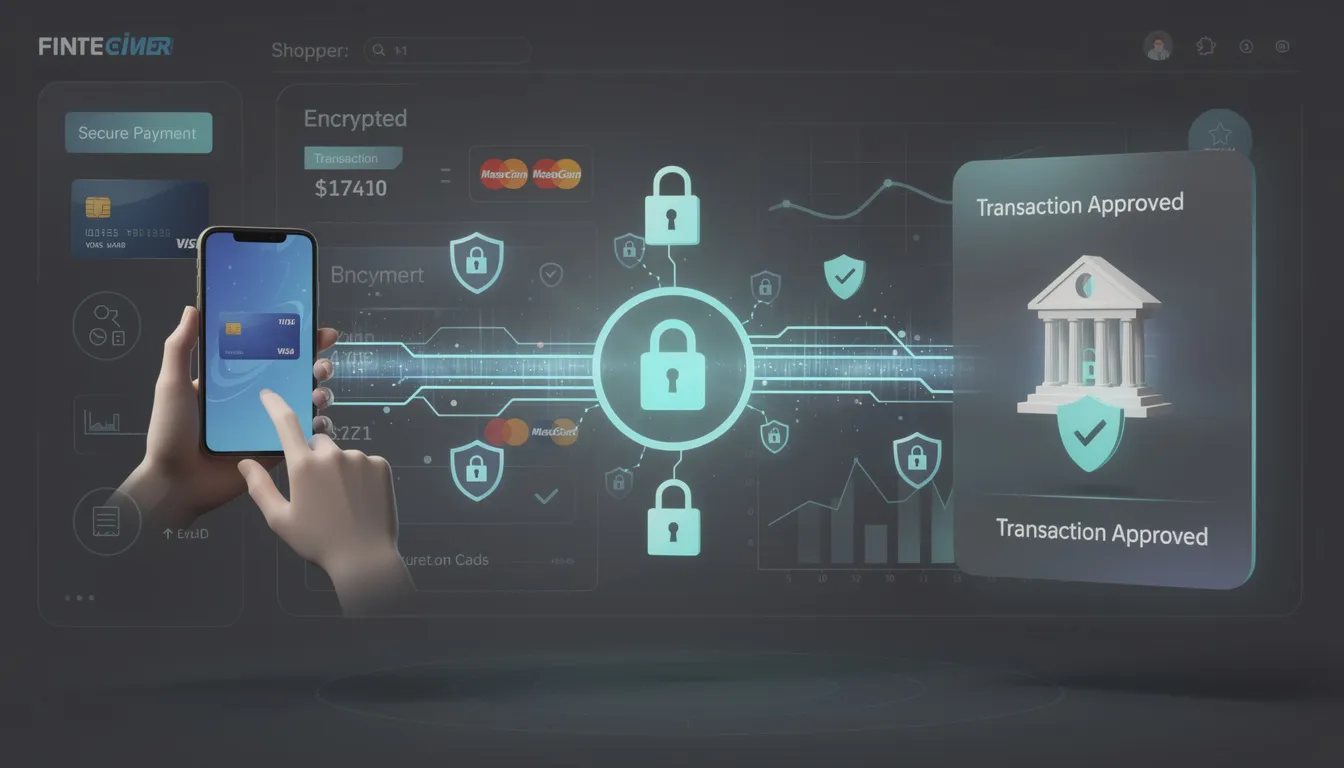
The payment flow begins when customers enter their card details on your website or app. The payment gateway securely transmits this information to the payment processor, which communicates with the customer’s bank to verify available funds. Once approved, money moves from the customer’s account to your merchant account, typically arriving within just a few clicks of the initial transaction.
The UK’s online payment infrastructure operates under strict regulatory oversight. The Financial Conduct Authority (FCA) ensures payment institutions maintain robust security measures and customer protection standards. Additionally, the revised Payment Services Directive (PSD2) requires Strong Customer Authentication for most online transactions, adding an extra layer of security through two-factor authentication methods.
This regulatory framework has helped establish the UK as one of the world’s most trusted digital payment markets. The total transacted value in UK digital payments is projected to reach £644 billion by 2029, driven by increasing consumer confidence and the proliferation of mobile payment methods like Apple Pay and Google Pay.
The seamless integration of these systems allows uk businesses to manage payments efficiently while providing customers with familiar, secure checkout experiences. Modern payment systems also offer valuable insights through transaction history and analytics, enabling businesses to make data-driven decisions about their payment strategies.
Leading UK Online Payment Providers in 2025
The UK online payment landscape is dominated by several key players, each offering distinct advantages for different business types. Here’s a comprehensive comparison of the top providers based on market share, features, and customer satisfaction:
| Provider | Market Share | Key Strength | Best For |
|---|---|---|---|
| Worldpay | 42% | Enterprise solutions | Large businesses |
| Stripe | 15% | Developer tools | Tech-savvy businesses |
| PayPal | 12% | Consumer trust | Small to medium businesses |
| GoCardless | 8% | Direct debit expertise | Recurring payments |
| Sage Pay (Opayo) | 6% | UK focus | Local businesses |
Worldpay’s dominance in the UK market stems from its comprehensive enterprise-focused solutions and established relationships with major retailers. However, the competitive landscape offers compelling alternatives for businesses with specific needs or budget constraints.
When evaluating these providers, consider factors beyond just transaction fees. Integration complexity, customer support quality, and available payment methods can significantly impact your business operations and customer satisfaction rates.
Stripe UK
Stripe has revolutionized online payment processing with its developer-friendly approach and transparent pricing structure. For UK businesses, Stripe charges 1.4% + 20p for domestic card transactions, 2.9% + 20p for international cards, making it highly competitive for businesses with predominantly local customers.
The platform’s standout feature is its integration capabilities, supporting over 500 business platforms including Shopify, WooCommerce, and Magento. This extensive compatibility means most e commerce businesses can implement Stripe with minimal technical knowledge required, often completing setup in just a couple of hours.
Stripe’s fraud protection utilizes machine learning algorithms that analyze millions of transactions daily, helping reduce chargebacks and protect your business from fraudulent activity. The system automatically flags suspicious patterns while allowing legitimate transactions to proceed smoothly, maintaining optimal conversion rates.
However, customer feedback on Trustpilot reveals mixed experiences. While developers praise the comprehensive API documentation and ease of implementation, some merchants report difficulties with customer support response times and account holds during high-risk periods. The platform’s automated risk management can sometimes freeze funds without warning, potentially impacting cash flow for growing businesses.
For businesses prioritizing technical flexibility and rapid deployment, Stripe remains an excellent choice. Its webhook system provides real-time transaction notifications, enabling sophisticated business management integrations with accounting software like Xero and QuickBooks.
PayPal UK
PayPal continues to dominate consumer trust in online payments, with recognition rates exceeding 95% among UK internet users. The platform charges 2.9% plus a fixed fee for domestic transactions, which, while higher than some competitors, often justifies the cost through improved conversion rates.
The PayPal Checkout experience allows customers to pay without creating accounts on your website, reducing friction at the crucial payment stage. This guest checkout capability, combined with PayPal’s buyer protection programs, often results in higher customer satisfaction and reduced cart abandonment rates.
PayPal’s multi-currency support spans over 200 markets, making it particularly valuable for businesses looking to expand internationally. The platform handles currency conversion automatically and provides competitive exchange rates, simplifying cross-border e commerce operations.
For small business owners and individual sellers, PayPal offers unmatched accessibility. You can create payment links for invoicing, accept payments through social media, and even use PayPal’s mobile card reader for in person payments, creating a unified payment ecosystem for your business.
The dispute resolution service provides an additional layer of security for both merchants and customers. PayPal’s team mediates conflicts and often resolves issues without requiring chargebacks, helping protect your merchant account status with banks.
Worldpay from FIS
As the UK’s largest payment processor, Worldpay serves primarily enterprise clients requiring sophisticated payment solutions. Their pay-as-you-go option charges 1.3% + 20p per transaction, making it competitive for smaller businesses willing to forego enterprise features.
Worldpay’s strength lies in its comprehensive reporting and analytics dashboard, providing detailed insights into transaction patterns, customer behavior, and revenue trends. These valuable insights help businesses optimize their payment strategies and identify growth opportunities.
The platform maintains PCI DSS Level 1 compliance—the highest security certification available—ensuring your business meets all regulatory requirements for handling sensitive customer data. This certification is particularly important for businesses in regulated industries or those handling large transaction volumes.
Integration capabilities extend beyond basic e-commerce platforms to include major Enterprise Resource Planning (ERP) systems. This makes Worldpay particularly attractive for businesses requiring seamless data flow between payment processing and existing business management systems.
Custom pricing models for high-volume merchants can result in significant cost savings for businesses processing substantial monthly transaction volumes. Enterprise clients often negotiate rates below 1%, making Worldpay cost-effective despite higher entry-level fees.
GoCardless
GoCardless specializes in bank-based recurring payments, offering a fundamentally different approach to online payment processing. With fees of 1% + 20p for domestic transactions, it provides the lowest costs among major providers for subscription and recurring billing models.
The platform’s automated recurring payment management reduces payment failures by up to 97% compared to traditional card-based systems. This dramatic improvement stems from direct debit’s immunity to expired cards, insufficient funds, and other common failure points that plague card-based recurring payments.
GoCardless connects to bank payment networks in over 30 countries, enabling international direct debit collection through a single integration. This capability is particularly valuable for Software as a Service (SaaS) businesses and subscription companies with global customer bases.
Integration with over 350 business software platforms, including popular accounting software, CRM systems, and subscription management tools, makes GoCardless an attractive option for businesses seeking to automate their entire billing workflow.
However, the platform’s focus on recurring payments makes it less suitable for one-time transaction businesses. The direct debit mandate process also requires customers to authorize future payments, which may create friction for businesses accustomed to instant card payments.
Sage Pay (Opayo)
Sage Pay, now branded as Opayo, represents a UK-focused approach to payment processing with deep understanding of local business needs. Starting at 1.19% for online transactions, it offers competitive rates while providing dedicated UK-based customer support.
The platform offers flexible integration options ranging from hosted payment pages requiring minimal technical knowledge to direct API integration for developers seeking complete customization. This flexibility makes it suitable for businesses across the technical spectrum.
Strong fraud prevention tools include 3D Secure authentication and real-time risk scoring, helping protect both merchants and customers from fraudulent transactions. The system balances security with user experience, minimizing false declines while maintaining robust protection.
Sage Pay’s established reputation in the UK market, serving businesses since 1997, provides reassurance for merchants concerned about payment processor stability. This longevity is particularly valuable for businesses requiring long-term reliability and consistent service levels.
Local expertise means Sage Pay understands UK-specific requirements such as Gift Aid processing for charities and industry-specific compliance needs. This specialized knowledge can be invaluable for businesses in regulated sectors or those with unique operational requirements.
Key Features to Evaluate
When comparing UK online payment providers, certain features can significantly impact your business operations and customer experience. Understanding these capabilities helps ensure you select a system that supports both current needs and future growth.
Transaction processing speeds vary considerably between providers, with some offering real-time authorization while others may take several seconds. For high-volume businesses, even small delays can impact conversion rates and customer satisfaction. Look for providers offering 99.9% uptime guarantees and average response times under two seconds.
Payment method variety has become increasingly important as consumer preferences diversify. Beyond traditional card payments, modern systems should support digital wallets like Apple Pay and Google Pay, buy-now-pay-later options, and bank transfers. The more payment methods you offer, the higher your conversion rates typically become.
Mobile payment capabilities are essential in 2024, with over 60% of UK online transactions now originating from mobile devices. Your chosen provider should offer responsive checkout designs that work seamlessly across all devices and screen sizes, ensuring customers can complete payments quickly regardless of how they access your site.
Integration and Technical Considerations
API documentation quality can make or break your implementation experience. The best providers offer comprehensive documentation, code examples in multiple programming languages, and sandbox environments for testing. Quality documentation reduces development time and minimizes integration errors that could impact your launch timeline.
E-commerce platform compatibility varies significantly between providers. If you’re using popular platforms like Shopify, WooCommerce, or Magento, verify that your chosen provider offers native plugins with regular updates. These pre-built integrations often provide better functionality than custom implementations while requiring less technical knowledge.
Accounting software integration streamlines your business management by automatically syncing transaction data with platforms like Xero, QuickBooks, and Sage. This automation saves hours of manual data entry and reduces errors in your financial reporting. Look for real-time sync capabilities rather than batch uploads that may delay your accounting processes.
Testing environments should mirror production systems exactly, allowing you to verify integration functionality without processing real transactions. Robust sandbox access enables thorough testing of edge cases, refund processes, and error handling before going live with real customer payments.
Webhook reliability ensures your systems receive immediate notification of payment events. Unreliable webhooks can lead to inventory management issues, delayed order fulfillment, and poor customer experiences. Evaluate providers based on their webhook delivery success rates and retry mechanisms for failed deliveries.
Customer Experience Features
Checkout page customization allows you to maintain brand consistency throughout the payment process. Look for providers offering white-label solutions that let you customize colors, fonts, and layouts to match your existing website design. Consistent branding builds trust and reduces perceived risk during the payment process.
Guest checkout capabilities eliminate the friction of forced account creation, which can cause up to 37% of potential customers to abandon their purchases. The best payment systems allow customers to complete transactions with minimal data entry while still offering account creation as an optional benefit.
Multi-language and currency support becomes crucial for businesses targeting international markets. Your payment provider should handle currency conversion transparently and support local payment methods popular in your target markets. This localization can significantly improve conversion rates among international customers.
Payment link generation enables flexible selling beyond traditional e-commerce checkouts. Whether you’re sending invoices, selling through social media, or processing phone orders, payment links provide a professional solution that works across all channels while maintaining secure transaction processing.
Cost Analysis and Fee Structures
Understanding the true cost of online payment processing requires looking beyond headline transaction rates. Hidden fees can significantly impact your bottom line, making a supposedly cheaper provider more expensive than alternatives with transparent pricing structures.
| Provider | UK Card Rate | International Rate | Setup Fee | Monthly Fee | Chargeback Fee |
|---|---|---|---|---|---|
| Stripe | 1.4% + 20p | 2.9% + 20p | £0 | £0 | £15 |
| PayPal | 2.9% + 30p | 3.4% + 30p | £0 | £0 | £14 |
| Worldpay | 1.3% + 20p | Custom pricing | £0 | £0 | £15 |
| GoCardless | 1% + 20p | 2% + 20p | £0 | £0 | £10 |
| Sage Pay | 1.19% + 20p | 2.75% + 20p | £0 | £20 | £12 |
International payment surcharges can dramatically affect profitability for businesses serving global markets. Some providers charge premium rates for non-UK cards, while others offer competitive international pricing. Factor in currency conversion fees, which typically range from 2-4% above interbank rates, when calculating total costs for international transactions.
Volume-based pricing tiers benefit high-transaction businesses but may not activate immediately. Many providers require 3-6 months of transaction history before offering improved rates. Plan for standard rates initially, treating volume discounts as future cost optimizations rather than immediate benefits.
Monthly fees deserve careful consideration based on your transaction volume. While some providers offer zero monthly charges, others include valuable features like advanced reporting, priority support, and enhanced security tools that justify ongoing costs for larger businesses.
Total cost of ownership calculations should include implementation costs, ongoing maintenance requirements, and opportunity costs of system limitations. A slightly more expensive provider might deliver better value through superior integration capabilities, reduced development time, or improved conversion rates that increase overall revenue.
Security and Compliance in UK Online Payments
PCI DSS compliance requirements apply to any business storing, processing, or transmitting credit card data. Most modern payment providers handle PCI compliance on your behalf by ensuring sensitive data never touches your servers. However, verify your chosen provider’s compliance level—Level 1 certification indicates the highest security standards and regular auditing.
Strong Customer Authentication (SCA) under PSD2 regulations requires two-factor authentication for most online transactions. This typically involves customers confirming payments through their banking app, entering a one-time password, or using biometric authentication. While SCA reduces fraud, it can impact conversion rates, making smooth implementation crucial.
3D Secure 2.0 implementation represents the latest evolution in card authentication technology. Unlike its predecessor, 3D Secure 2.0 supports mobile devices effectively and uses risk-based authentication that minimizes customer friction for low-risk transactions. Look for providers offering intelligent 3D Secure routing that balances security with user experience.
Fraud prevention tools have evolved beyond simple rule-based systems to incorporate machine learning algorithms that analyze transaction patterns in real-time. Advanced systems consider factors like device fingerprinting, geolocation analysis, and behavioral patterns to identify suspicious activity while allowing legitimate transactions to proceed seamlessly.
Data protection compliance with UK GDPR requirements extends beyond payment processing to include customer data handling, retention policies, and consent management. Your payment provider should offer tools for managing customer data requests, implementing data retention policies, and ensuring compliance with evolving privacy regulations.
Industry-Specific Payment Solutions
E commerce businesses require payment solutions optimized for online retail, including features like abandoned cart recovery, inventory management integration, and support for promotional codes. Look for providers offering specialized tools for product subscriptions, marketplace payments, and integration with popular e commerce platforms.
Subscription services benefit from specialized recurring billing features including automated dunning management, proration calculations, and flexible billing cycles. GoCardless and Stripe excel in this area, offering sophisticated tools for managing subscription lifecycles and reducing involuntary churn from payment failures.
Marketplaces require split payment functionality that automatically distributes funds between platform operators and vendors. This complex requirement needs careful consideration of fee structures, as marketplace operators typically pay higher transaction fees but benefit from automated revenue sharing that reduces administrative overhead.
Professional services often require integration with invoicing systems, client portals, and project management tools. Payment links and invoice payment options become particularly important for service businesses that may not operate traditional e commerce websites but still need professional payment processing capabilities.
Non-profit organizations have unique requirements including Gift Aid processing, donation recurring options, and compliance with charity-specific regulations. Some providers offer specialized non-profit pricing and features specifically designed for charitable giving and fundraising campaigns.
Emerging Trends in UK Online Payments
Open Banking adoption continues accelerating, with account-to-account payments offering lower costs and reduced fraud risk compared to traditional card payments. Pay by bank options now appear on many checkout pages, allowing customers to pay directly from their bank account without entering card details.
Buy Now Pay Later (BNPL) integration has become standard for many retail businesses, particularly in fashion, electronics, and home goods. Providers like Klarna and Clearpay offer seamless integration that can increase average order values while improving conversion rates for higher-ticket purchases.
The growing popularity of BNPL among consumers, especially younger demographics, makes this payment method increasingly important for businesses targeting millennials and Generation Z customers. However, ensure you understand the higher merchant fees associated with BNPL services and factor these into your pricing strategy.
AI-powered fraud detection continues improving, with machine learning systems becoming more sophisticated at distinguishing legitimate transactions from fraudulent attempts. This technology reduces false declines that can frustrate customers while maintaining strong protection against actual fraud.
Voice commerce and contactless payment innovations are reshaping customer expectations around payment convenience. While still emerging, these technologies represent the future direction of payments, with early adopters gaining competitive advantages through enhanced customer experiences.
How to Choose the Right UK Online Payment System
Business size assessment forms the foundation of provider selection. Startups typically prioritize ease of implementation and transparent pricing, while enterprises require advanced features like custom reporting, dedicated support, and sophisticated fraud management tools. Medium-sized businesses often seek a balance between functionality and cost-effectiveness.
Transaction volume analysis helps predict your optimal fee structure. High-volume businesses benefit from percentage-based pricing, while low-volume operations might prefer flat-rate models. Calculate costs across multiple volume scenarios to understand how different providers scale with your business growth.
Here’s a decision matrix template to evaluate providers systematically:
| Criteria | Weight | Provider A Score | Provider B Score | Provider C Score |
|---|---|---|---|---|
| Transaction costs | 30% | 8/10 | 6/10 | 9/10 |
| Integration ease | 25% | 9/10 | 7/10 | 6/10 |
| Feature set | 20% | 7/10 | 9/10 | 8/10 |
| Customer support | 15% | 6/10 | 8/10 | 9/10 |
| Security features | 10% | 9/10 | 9/10 | 8/10 |
Technical capability evaluation should consider your team’s development resources and expertise. If you lack technical knowledge, prioritize providers offering hosted payment pages and pre-built integrations. Development teams might prefer API-first solutions that provide greater customization flexibility.
Customer demographics influence payment method preferences significantly. Younger customers prefer mobile wallets and BNPL options, while older demographics often stick with traditional card payments. International customers may require local payment methods not supported by all providers.
Growth planning considerations include international expansion capabilities, multi-currency support, and scalability features. Choose a provider that can accommodate your long-term vision rather than requiring costly migrations as you expand into new markets or increase transaction volumes.
Implementation Best Practices
Testing procedures should encompass the entire payment flow, from initial product selection through final transaction confirmation. Test multiple payment methods, various transaction amounts, and potential error conditions like declined cards or network timeouts. Comprehensive testing prevents costly issues after launch that could damage customer trust.
Create a backup payment provider setup to ensure business continuity if your primary provider experiences downtime or technical issues. This redundancy might cost slightly more but protects against revenue loss during critical sales periods or unexpected service interruptions.
Conversion rate optimization through checkout analysis often reveals opportunities for improvement after implementation. Monitor metrics like cart abandonment rates, payment completion times, and method preferences to identify optimization opportunities that can significantly impact revenue.
Staff training requirements vary based on your chosen solution’s complexity. Ensure your team understands payment processing basics, customer support procedures for payment issues, and proper handling of sensitive customer data. Well-trained staff provide better customer service and reduce security risks.
Go-live checklist preparation should include verifying all integrations work correctly, confirming security measures are active, and ensuring customer support processes are ready for payment-related inquiries. A smooth launch builds customer confidence and establishes positive first impressions with your online payment system.
Post-implementation monitoring involves tracking key metrics like transaction success rates, customer feedback, and cost analysis to ensure your chosen provider continues meeting business needs. Regular monitoring enables proactive optimization and early identification of potential issues before they impact customers or revenue.
The UK online payment landscape offers numerous excellent options for businesses of all sizes. Success depends on matching provider capabilities with your specific requirements while maintaining focus on customer experience and long-term scalability. Take time to evaluate multiple providers thoroughly—the right choice will serve as a foundation for sustainable growth in the competitive digital marketplace.